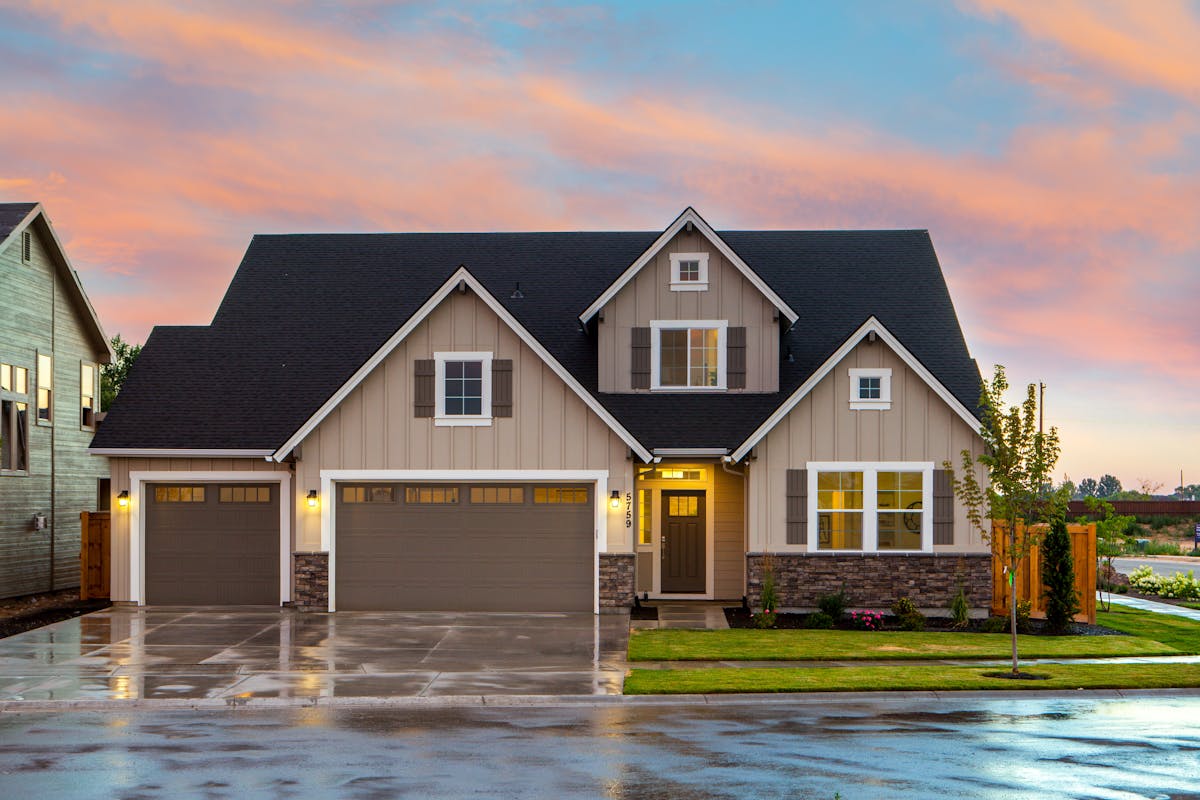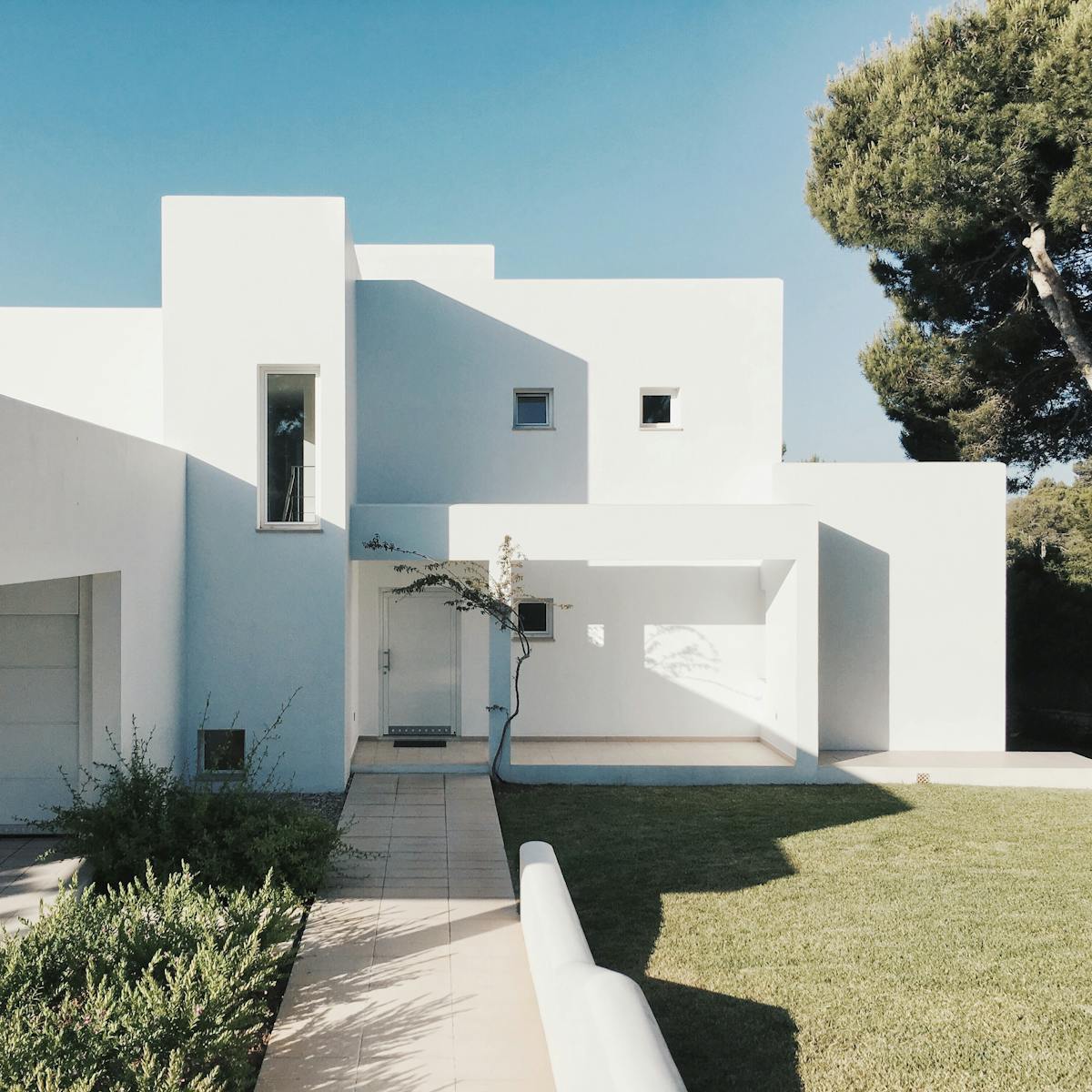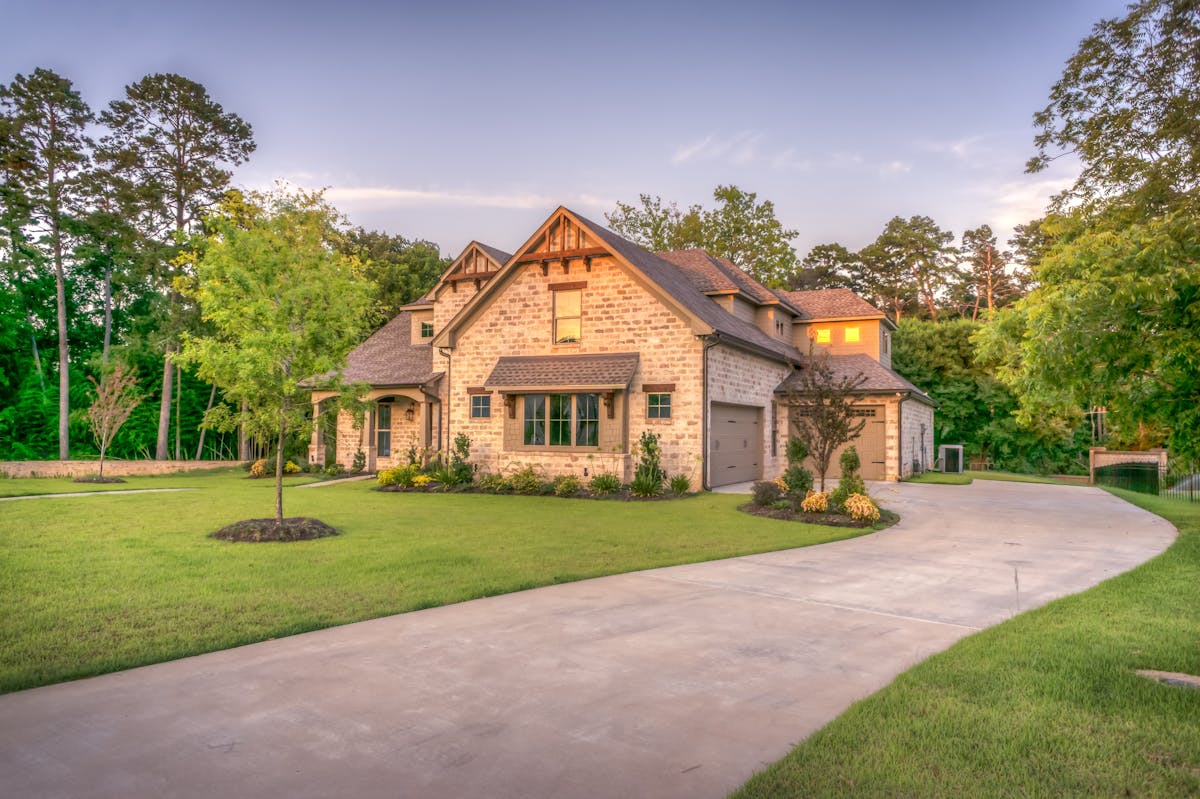
NW Bicester Phase 2. All-electric specification from outset — ASHP heating, MVHR, 4 kWp+ solar PV on every plot. PassivHaus-influenced detailing achieved 1.8 m³/(h·m²) air permeability — well below FHS target.
The brief
NW Bicester is one of the UK's flagship eco-towns, originally consented in 2014 with a sustainability remit baked into the masterplan. Phase 2 of the development (95 plots, delivered through 2025-2026) required FHS-equivalent specification from outset (~2 years ahead of the regulatory mandate) with PassivHaus-influenced fabric detailing to maximise EPC scores for sale and to meet the masterplan's "zero-net-carbon" branding. Site developer: a SME builder specialising in low-carbon volume work.
Fabric and air permeability approach
Wall U-value target 0.13 (below FHS 0.15), roof 0.10 (below FHS 0.11), floor 0.10 (below FHS 0.11). External wall buildup: 102.5 mm brick outer skin + 200 mm full-fill PIR cavity + 100 mm concrete inner skin + 12.5 mm plasterboard. Triple-glazed windows throughout (Internorm KF410 timber-aluminium). Air permeability target 2 m³/(h·m²) — achieved 1.8 average across the 95 plots through deliberate sealing detail at every penetration, taped membrane junctions at eaves and party walls, and pre-tested service penetrations.
Solar PV and ASHP integration
In-roof 4.0 kWp arrays on the 3-bed semi types (60 plots), 5.0 kWp on the 4-bed detached types (35 plots). REC Alpha Pure 405W panels — premium efficiency to maximise generation from limited roof area on the terraced plots. Daikin Altherma 3 R 6 kW ASHPs throughout, paired with 200L hot water cylinders and Loxone smart home controls. Heat loss design figure averaged 2.4 kW per dwelling (vs ~5.5 kW for a 2013-spec equivalent) — letting ASHPs operate efficiently at modulating output.
MVHR integration and indoor air quality
Mechanical Ventilation with Heat Recovery (Zehnder ComfoAir Q450) on every plot — effectively required at the air-permeability target of 1.8. MVHR units installed in roof voids with ducting concealed in service zones. Heat recovery efficiency averaged 91% (manufacturer spec 92%) — measured during commissioning. CO₂ levels in occupied test plots monitored over the first 12 months: average 580 ppm (well below the 1,000 ppm comfort threshold).
Modelling results and Building Control
Full SAP 10.3 and HEM modelling. DER averaged 6.2 kgCO₂/m²/yr (vs TER of 8.4) — 26% margin to compliance. Average SAP score 95 (top of band A); 12 plots scored 97+. Building Control sign-off (LABC route) achieved within 10 days of completion on every plot — faster than typical due to thorough compliance file preparation.
Outcomes and template impact
Average annual electricity bill across the first 30 occupied plots (12-month tracking): £680/yr (vs ~£2,100/yr typical for an equivalent 2013-spec home). 86% reported bills below expectation. Air-permeability detail rolled forward into the developer's standard house-type library for non-Bicester sites (3 further developments on similar PassivHaus-influenced detail in pipeline). The Bicester team's ratio of compliance work to construction labour proved a useful internal benchmark.