When the Government published the final Approved Documents L and F for the Future Homes Standard on 24 March 2026, the regulations diverged from the December 2023 consultation in five significant ways. For developers and self-builders working on programmes that will commence Building Control in 2027 or beyond, understanding these changes is essential.
1. PV coverage benchmark fixed at 40%
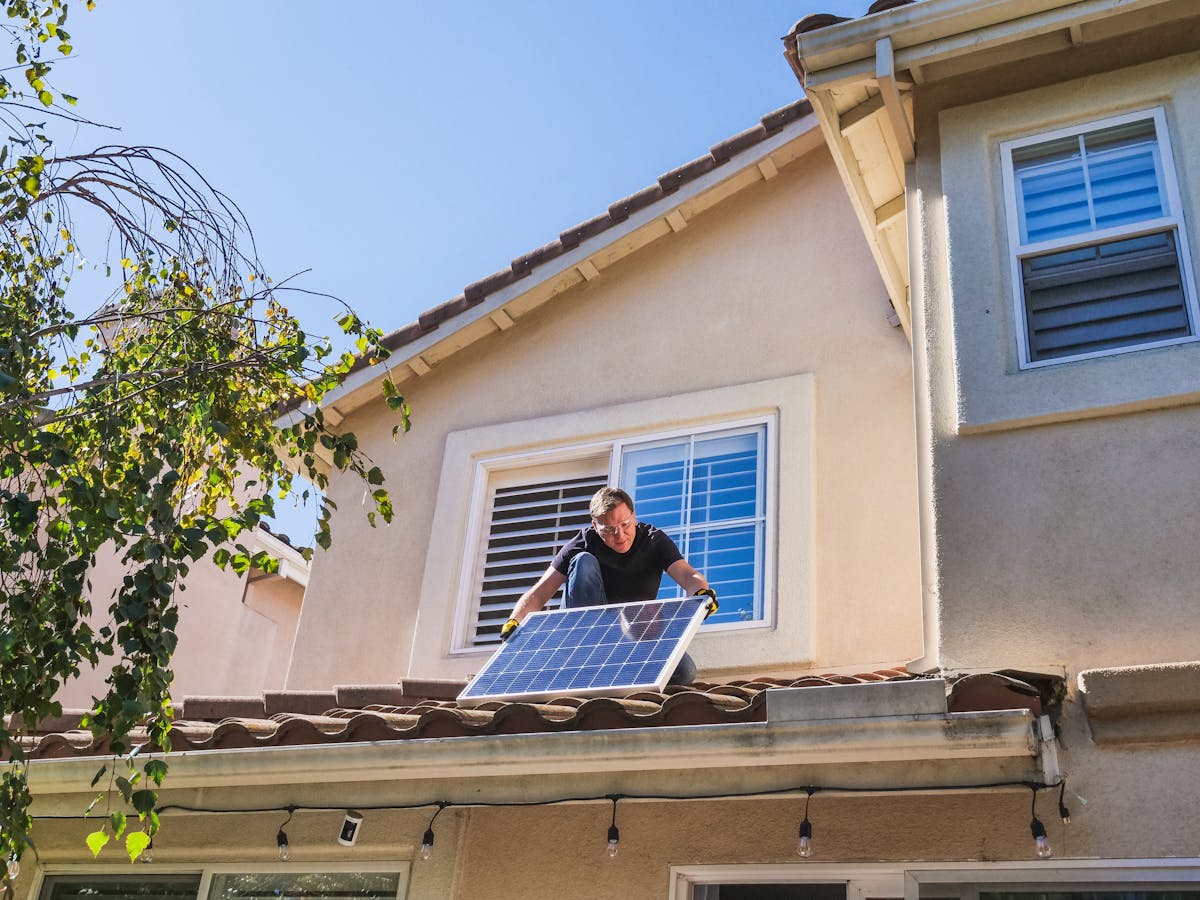
The consultation left the deemed-to-satisfy benchmark for on-site solar PV open between 30% and 60% of ground floor area. The final regulations settled at 40%. This rejects the housebuilder-lobby position (30%) and the sustainability-NGO position (60%) — landing in the middle. For a typical 3-bed 42.5 m² ground floor home this means a 3.4 kWp minimum array.
2. Hydrogen-ready boilers excluded from compliance
The 2023 consultation included a tentative provision for "hydrogen-ready" boilers receiving partial carbon credit. The October 2025 consultation response and the March 2026 final documents removed this entirely. Hybrid heat pump + gas boiler systems and hydrogen-ready boilers both fail Part L 2026. Heat pumps and connection to heat networks remain the only compliant heating routes for new dwellings.
3. Air permeability tightened to 3 (was 5)
The consultation proposed an air permeability target of 5 m³/(h·m²). The final regulations tightened this to 3 — a meaningful change. Hitting 3 reliably requires deliberate detailing at every penetration, and MVHR becomes effectively required to manage indoor air quality. The Government rejected Passive House lobby calls for an even tighter 1 m³/(h·m²) target.
4. HEM confirmed as sole compliance engine after transition
The Home Energy Model — a half-hourly dynamic simulation — replaces SAP entirely after the 24 March 2028 transition end. Some industry submissions argued for retaining SAP as an alternative compliance route; the final documents reject this. Assessors need HEM-capable software (Elmhurst, Stroma, BRE) and roughly 5× the assessment time of legacy SAP.
5. Implementation date held at 24 March 2027
Multiple housebuilder submissions called for delay to March 2028 or 2029 to align with supply chain capacity for heat pumps and bulk PV procurement. The Government held the line at March 2027 with the 12-month transitional period as the only concession. Plots commenced before 24 March 2027 may complete to Part L 2021 standards until 24 March 2028.
Net assessment: the final FHS is materially tighter than what most housebuilder lobby groups argued for during consultation. For developers, the practical implication is no further regulatory slack — designing forward to FHS from 2026 is the right strategy for any project that will not break ground before mid-2026.